The nest that broke the record
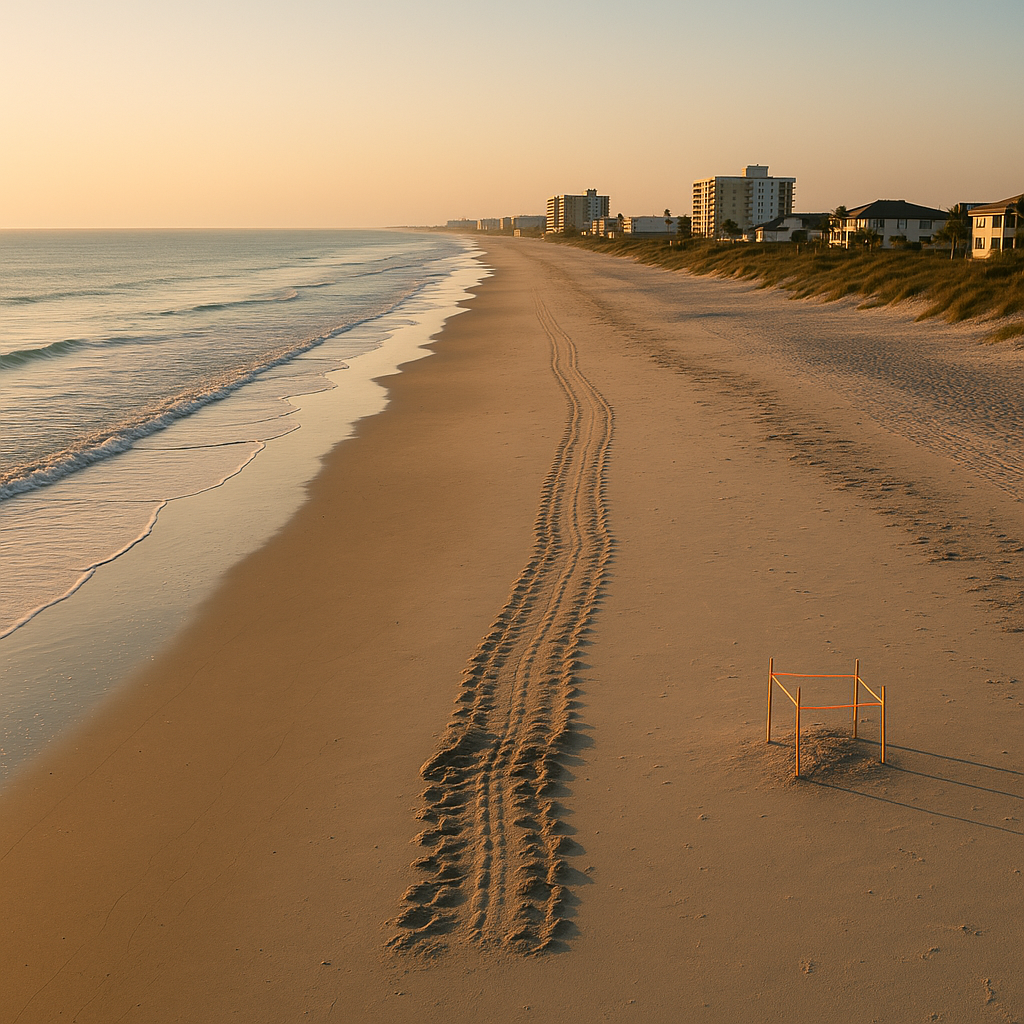
Early on the morning of July 22, 2026, a loggerhead sea turtle hauled herself out of the Atlantic somewhere along the Daytona Beach Shores coastline, dug a nest, and slipped back into the ocean before sunrise. Fresh tracks were still visible in the sand when county staff arrived. That nest became number 1,518 for the season, surpassing the previous all-time record of 1,516 nests. A total that took the entire 2023 season to accumulate. This time, the calendar still reads late July. The season runs through October 31.
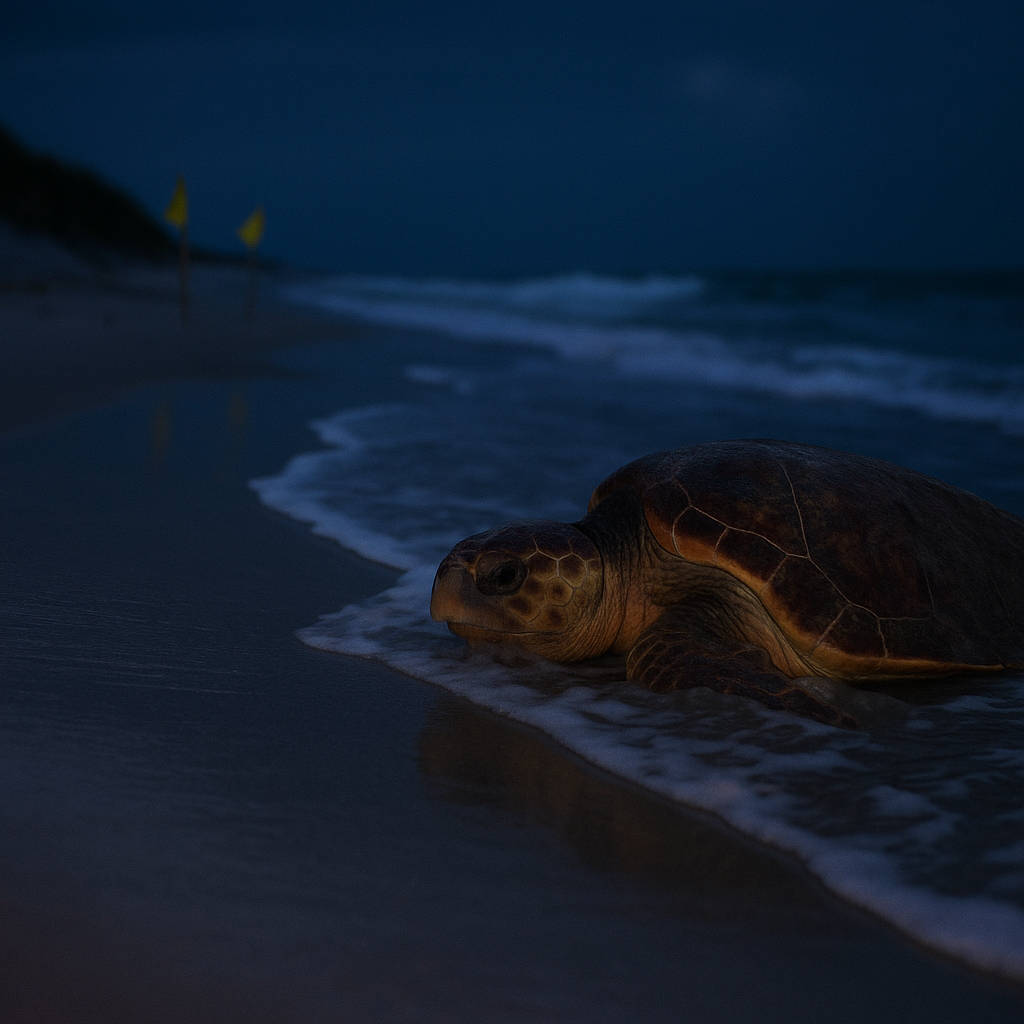
County staff weren't exactly calm about it. Jennifer Winters, Volusia County's protected species manager, described watching the numbers climb in June: "We're pleasantly surprised that we're having such active nesting activity and the numbers are just jumping."
How the season built so fast
The trajectory was obvious from the start. By June 11, county staff had logged 695 nests. A figure that, in 2023, wasn't reached until much later in the season. By June 15, that number had climbed to 770, with 377 of those in New Smyrna Beach alone. By June 30, the count stood at 1,144.
For context: the Florida Fish and Wildlife Conservation Commission noted in May that statewide loggerhead nesting was already running roughly 82% ahead of the same point in 2025.
Loggerheads make up the bulk of this year's nests, but Volusia's 47 miles of beach have also seen green sea turtles, leatherbacks, and multiple nests from Kemp's ridley sea turtles. The rarest and most endangered sea turtle species in the world. Multiple Kemp's ridley nests in a single season is unusual for this stretch of coast.
Why 2025 makes 2026 more impressive
Last year was rough. A beach re-nourishment project in April 2025 required the Volusia Turtle Patrol to relocate nests away from construction. Then Hurricane Erin struck in August, destroying an estimated 40 to 50 nests out of roughly 400 on the beach at the time. The relocation effort, counterintuitively, likely saved around 200 nests that would have been in the storm's direct path.
Susie Amaro, a Volusia Turtle Patrol volunteer, put it plainly after watching the 2026 numbers start to climb: "This year is proof that they are resilient, they do come back to the beach again and again, in spite of whatever happened in the years prior."
Fifty years of patience, now crawling ashore
The deeper reason for a record-breaking 2026 sits in legislation from the 1970s. Sea turtles typically take 20 to 30 years to reach breeding age. The protections put in place decades ago are producing results now, in a very literal, countable way.
Nicole Weiss, a member of Volusia County's Habitat Conservation Plan team, explained it to ClickOrlando: "Because of the time frame it takes for sea turtles to reach that breeding stage of life, usually 20 to 30 years depending on species, we're seeing a lot more turtles now being able to reach that reproductive age."
Many of those turtles nesting today almost certainly hatched on Volusia's beaches. Females return to the beach where they were born to lay their own eggs, a behavior called natal homing. That means the hatchlings emerging right now. Nicole Weiss noted that "we have nests hatching pretty much nightly now". Could come back to these same beaches in the 2050s and set another record.
What the county and volunteers do every morning
None of these numbers exist without a lot of people walking the beach before most of us are awake. County staff and sea turtle monitoring partners survey every mile of Volusia's coastline each morning to locate, document, mark, and protect nests. The Volusia Turtle Patrol, a volunteer organization, watches each nest from the day it's laid through the roughly 45-day incubation period, then waits three additional days after hatching before excavating to collect data.
A separate group, the Washback Watchers, searches for young turtles washed ashore by storms or tides. Those animals go to the county's Marine Science Center and Mary Keller Seabird Rehabilitation Sanctuary in Ponce Inlet for care and eventual release.
On the infrastructure side, Volusia County restricts public vehicle access to beach conservation zones at night and limits beachfront lighting. Both measures that protect nesting females, who mostly come ashore after dark, and hatchlings, who work with by the natural light of the horizon.
Jaymie Reneker, the county's Sea Turtle Habitat Conservation Plan program manager, summed up what residents and visitors can do: "The largest impact even a single person can make is keeping our beaches clean, dark, and flat. We encourage everyone to let the night provide the light on our coastline."
The season has three months left. You can track nest counts at volusiaseaturtles.org.